

Your Sexuality
Learning about your body, your identity and your relationships is an important part of understanding your sexuality

What is Sexuality?
The word sexuality means different things to different people.
It’s about:
- how you feel about yourself, your body and your relationships
- how you take care of your body
- your relationships
- sex and safety
Healthy sexuality is about:
- feeling comfortable with yourself and your relationships
- appreciating and taking care of your body
- having relationships that are fun and consensual (you give and get permission)
- avoiding unintended pregnancies, STIs and abuse
- feeling good about your gender identity and expression
To learn more about what sexuality can mean, watch the video below.
Autonomy
You have the right to learn about sexuality and to make decisions about your body, feelings and relationships. This is called body autonomy.
Body autonomy is making your own choices about your body, what you do with it, who touches it and what kind of touch that is. Everyone deserves body autonomy.
Healthy sexuality is about having the body autonomy and freedom to decide:
- what feels good (pleasure)
- what doesn’t feel good
- what you like and want
- what you don’t like and don’t want
- how to make choices about relationships
- how to make choices about what to do with your partner(s)
What is Sex?
Sex is part of sexuality. Sex can mean:
Sexuality Through Your Life
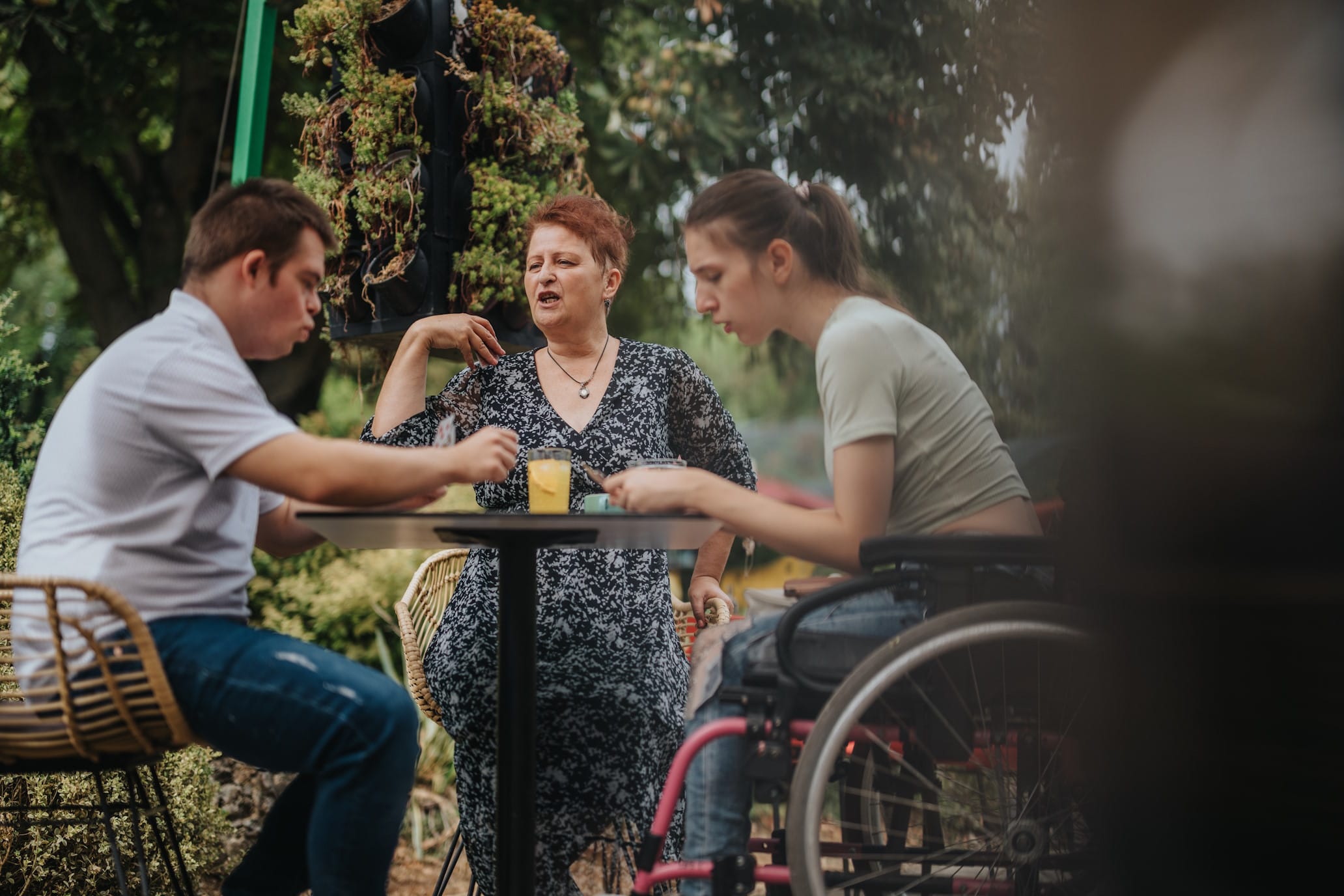
Your sexuality is part of who you are, no matter your age. You have a body, an identity and relationships at every age. Your sexuality changes as you go through different life stages. Even though everyone is different, understanding what to expect can help you feel ready for each stage.
As an adult, you might want to know more about the life stages you’ve just gone through and the one’s you’re in now or will be in later in life.
Puberty (10–18)
Puberty is the time when a child goes through changes to become an adult. There are:
- body changes
- feelings changes
- relationship changes
Puberty takes several years and happens sometime between age 10-21. People often see body changes like getting taller and growing pubic hair first. It can take a bit longer to see feelings and relationship changes like wanting more independence from family.
Everyone goes through puberty at their own pace.

Adulthood
Adulthood comes after puberty. Everyone who is not a baby, child or teen is an adult.
As an adult:
- your body keeps changing
- you keep learning about who you are, your relationships and what feels good
You might also:
- have sex
- have a long-term partner
- get married
- go through a breakup or divorce
- have children
Middle Age and Seniors (50+)
Sexuality continues to be a part of your life as you grow older. People still have big life changes in their 50s, 60s and beyond.
As an older adult:
- your body keeps changing
- you keep learning about who you are, your relationships and what feels good
- you may notice that how your body responds to sex and sexual touch changes (like it may take longer to get sexually aroused
You might also:
- have sex
- have a long-term partner, get married or get divorced
- have children, grandchildren or great-grandchildren

Getting Sexual Healthcare
Taking care of your sexual health is an important part of your health—even if you’re not having sex. This is part of taking care of yourself.
When it comes to healthcare, you have the right to:
- bring a support person with you to appointments
- understand what your healthcare provider is saying and doing
- understand why your healthcare provider is doing something or why they want you to do something
- ask questions and get help to understand your healthcare provider
- be asked before a healthcare provider touches your body
- make your own health decisions — it’s your body and it belongs to you
Many people are nervous visiting a clinic to talk about sexual health. Knowing what to expect can help you feel more comfortable.
Watch the video to learn about visiting a sexual health clinic.
What Happens at a Sexual Health Check-Up?
Whether at a sexual health clinic, walk-in clinic or your regular doctor’s office, at a sexual health check-up a healthcare provider may check the body parts you have.
Sexually Transmitted Infections (STIs)
STIs are sicknesses passed from a person who has one to another person through vaginal, oral or anal sex, sharing sex toys or touching someone’s semen or vaginal fluid.
When people have sex, they can get an STI. Taking care of your body is part of healthy sexuality. This includes learning about and getting tested for STIs.
Birth Control
Birth control is anything people do to stop a pregnancy from happening.
Important things to know about birth control:
- When people have some types of sex, it can lead to a pregnancy
- There are many types of birth control
- Some need a prescription and can be bought from a pharmacy
- Some don’t need a prescription and can be bought at a store
- Talk to a healthcare provider if you need birth control (many clinics, especially sexual and reproductive health clinics, can help you get free birth control)
- Some types of birth control, like condoms, start working right away
- Some types of birth control, like the pill, patch or ring might need a few days to start working
- Condoms protect against both pregnancy and STIs
- Emergency contraception is for times when people had sex without using birth control
Reproduction, Pregnancy and Pregnancy Options
Many people with disabilities make pregnancies. Some people believe that people with disabilities shouldn’t or can’t create a pregnancy or be parents. This is another example of ableism.
You have the right to learn about reproduction, pregnancy and the pregnancy choices you have if you’re pregnant.
This can help you make decisions about:
-
having sex
-
birth control
-
creating a pregnancy
-
parenting
Watch this video to learn more about how a pregnancy happens:
Check out these myths and facts to learn more about reproduction
Myth or Fact?
Pregnancy Options
If someone is pregnant, they have choices about what to do. These are called pregnancy options.
Pregnant people have three options:
If you think you might be pregnant, it’s important to find out for sure. Taking a pregnancy test at home or at a clinic lets someone know if they’re pregnant or not.
What Would You Do?

Let’s think about Mica and Alex.
Mica and Alex have been dating for six months.
They’ve done lots of fun things together like going to see movies, meeting each other’s friends and joining a boardgame club at a local cafe. They’re getting good at sharing their feelings, which feels good.
They want to do more, and they think that might include sex.
They’ve heard sex is fun. They also know that there are things to think about like staying safe from STIs. Mica and Alex never got sexuality education in school, so even though they are feeling excited, they also feel nervous and have questions.