

Pregnancy
Although youth pregnancy rates may be declining in some parts of Canada, pregnancy among youth can have serious impacts on the health of both the youth and child. Pregnant youth need supports to make healthy decisions around pregnancy options and to meet the financial, academic, physical, mental and social challenges that arise from pregnancy.

Approximately 50% of street involved youth become pregnant.
Poverty is connected to a lack of family support, lack of food and limited prenatal care.

Confirming Pregnancy
Lack of education and experience can make it hard for youth to notice the symptoms of pregnancy early on. This can be magnified for street involved youth because of the stress of unstable living and financial circumstances.
Confirming a pregnancy early is important because it may:
-
prompt people to seek early medical care
-
support understanding and accessing pregnancy options
-
enable people to take actions that benefit the health of the pregnancy like taking prenatal vitamins, avoiding alcohol and substances and eating a healthy diet
Service providers can ask these specific questions if pregnancy is suspected:
- When was your last period? Was it normal for you?
- Do you usually get regular periods (typically every 23-36 days)?
- Are you sexually active? Do you use birth control like condoms or hormonal birth control?
- If you use birth control, do you use it correctly and consistently?
- Do you have any pregnancy symptoms?
The most common signs and symptoms of early pregnancy are:
- A missed period, especially if it's been more than a week since it was expected
- Nausea with or without vomiting ("morning sickness"), typically during the first 6-12 weeks of pregnancy and is often worse in the morning but can occur at any time of day
- Breast tenderness, swelling, heaviness, tingling or soreness
- Increased frequency of urination
- Irregular bleeding – some people have irregular bleeding on and off or bleeding around the time that one would expect their period
- Food cravings and food aversions
- Mood changes
- Lightheadedness
- Bloating
- Constipation
- Heartburn
- Lower back pain
- Nasal congestion
- Uterine cramping
Pregnancy Tests
Pregnancy tests test for the pregnancy hormone, human choronic gonadotropin (hCG), which can be measured in blood or urine. Pregnancy can also be detected through ultrasound.

The blood test is done at the laboratory. It can detect hCG as early as 6-12 days after ovulation and are are generally more sensitive than the urine test.
Urine pregnancy tests can be done in the home, doctor’s office or laboratory. A urine pregnancy test is usually done after missing a period. If the test is done too soon, the result may not be accurate. If the test is negative and the period does not come, the test should be repeated in one or two weeks.
If a home pregnancy test is done, make sure to follow the instructions on the kit carefully and that it hasn’t passed its expiry date. Use a first-morning urine sample because that is when the level of hormone is highest.
Pregnancy Options
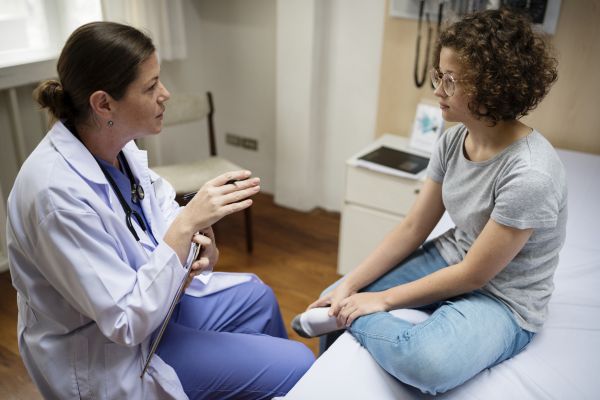
Once a pregnancy has been confirmed, a person has three options.
- Continuing with the pregnancy and choosing to parent
- Continuing with the pregnancy and choosing adoption
- Ending the pregnancy and choosing abortion
Healthy Pregnancy
Supporting youth who remain pregnant have a healthy pregnancy can support healthy development of both the youth and the baby.
To maintain a healthy pregnancy, a youth needs:
- basic needs met like safety, food, clothing, housing, transportation, medicine, school and sleep
- ongoing medical care including STI testing & treatment, prenatal vitamins, management of health challenges, including mental health concerns
- safe, supportive relationships
- supports to reduce tobacco use, abstain from alcohol and substance use
- regular exercise
- prenatal education
- supports meeting their developmental tasks of adolescence