

Puberty and Sexual Development
Puberty is a life stage, not an event!
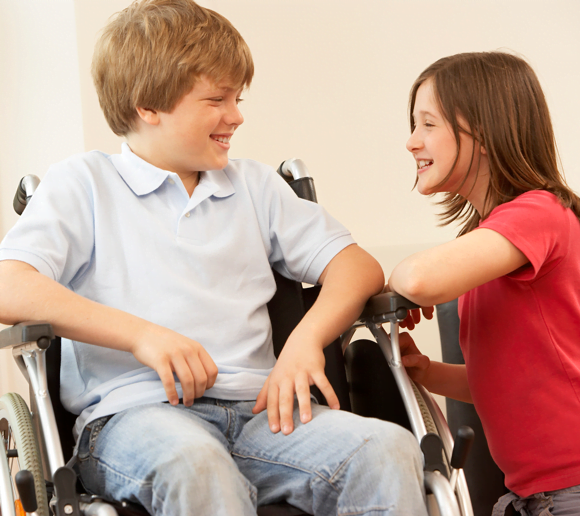
Puberty is the process of growing from a child into an adult and happens to everyone starting as early as 8 years of age and ending between 17 and 20 years of age. Puberty changes come in waves – changes may seem to happen all of a sudden and then the changes slow down for a while.
This web page focuses on the emotional and social changes related to puberty and sexual development for children and youth with disabilities. Click here for an overview of the physical changes.
Managing Puberty
Most children and youth go through puberty following a predictable set of physical (body), emotional (feelings) and social (relationship) changes. The physical changes such as getting taller, growing breasts, starting periods and having body hair can be exciting but scary too.
Parents and service providers can help youth by giving lots of support with:
- social skills
- negotiating relationships
- decision-making and assertiveness
- following social rules
- coping with feelings and emotions
What Youth Need to Know
Parents and service providers can also help children through education.
Children and youth with disabilities need to know these basics to be sexually healthy and safe:
When to Get Help
Sometimes children and youth show behaviours that need to be looked into more.
Some behaviours include:
- A behaviour that continues even when asked to stop or rules have been put in place, like masturbation in a public place
- A behaviour that becomes compulsive, like watching pornography or sending naked photos of themselves
- A behaviour that puts the child or other children at risk
- Any time force, bribery, threats, coercion or manipulation is used, like a child is bribed to show their genitals to another child